
|
|
|
|
|
|
|
|
|
|
|
|
|
|
|
|
|
| News |
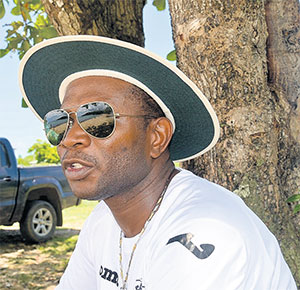
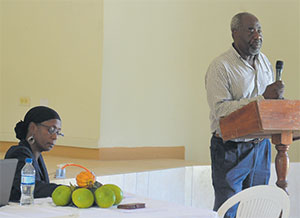
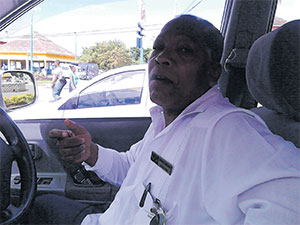
Tourism subsectors await fate in aftermath of COVID-19 WITH THE downturn in tourist arrivals to Jamaica due to the global COVID-19 virus outbreak, the tourism industry’s subsectors are pondering what the rest of the year might bring for them and their respective businesses, as they prepare for the worst but hope for the best. Founding president of the Jamaica Union of Travellers Association (JUTA) Lucea Chapter, James Thompson, told Hospitality Jamaica that the ground transportation sector is bracing for a fallout, particularly if a travel ban is imposed on North America, which is Jamaica’s largest source market. He said, however, that although the restrictions have not begun to impact the ground transportation sector in a severe way, he was expecting to feel the effects in a matter of weeks. “Because of the importance of the North American travel market to Jamaica, I believe the Government is going to not hastily take a decision to – apart from the cruise ship sector – close the airspace to that market,” Thompson said. “However, we are having cancellations from North America. And I am sure, within the next two weeks or so, we will see the impact of those cancellations, and if there are going to be any new restrictions on travel from North America to Jamaica; but at the moment it has not affected us severely as ground transportation operators,” he added. Thompson said that if the current situation continues for another month and there are new restrictions, especially on the USA and Canada, it will have an impact on drivers, especially their ability to service their loans, pay vehicle insurance, and fulfil other personal expenses and commitments. As a consequence, mitigation measures are being put in place. According to Clayton, his services, which includes maintaining of natural beach elevations for erosion prevention; grooming and beautification, removal of foreign objects, raking and distribution of sand, are essential to hotels whose selling points happen to be having spectacular beaches. “With the stopping of some flights, it is gonna bring down the business for the hotels. My job is not dependent on how many guests are in the hotel. But if my clients lose business, it’s a potential damage for my company, because then they will not have enough money to pay everybody including my service,” Clayton told Hospitality Jamaica. Proprietor of the Charela Inn hotel in Negril, Daniel Grizzle, told Hospitality Jamaica that his property was in reparation mode and will use the same strategies employed in the aftermath of natural disasters, including staff rotation as a mitigation measure. Describing the situation as ‘very troubling’, Grizzle said he was particularly concerned about the fate of staff members and small farmers who supply the property with goods. “We have staff; we have our suppliers and these are very small people who rely on that weekly or monthly sale of fresh fruit and vegetables to send their kids to school. Now with no tourists, the sales will be down,” Grizzle said. “We will always try, as we have done during the hurricane and other seasons, to keep our staff, if it’s even on a part-time basis, so they are able to eat. But, there again they have other expenses which they may have difficulty in keeping up whether it be hire purchase or mortgage. There is great concern and I hope the banks and other financial institutions will find a way to have a softer cushion,” he added. The veteran hotelier said some hotels, including his, have also adjusted their cancellation policies to facilitate guests who had booked their stays before the recent events in a bid to “not sow seeds of discord between customers and the business”. “The way I see it we are very fortunate that this thing did not happen in November or December. It’s near coming to the end of the winter season, so I think in our case if it comes to us closing down, we will use that period to do the usual end of year fixing up a few months ahead,” Grizzle said. In the meantime, Grizzle said he was hoping that after the spread of the pandemic dissipates, the Jamaica Tourist Board (JTB) will collaborate with the Jamaica Hotel and Tourist Association (JHTA) to undertake a marketing campaign to indicate to the rest of the world, that the country was “back and ready”. “It’s funny because when we heard about this thing in China we really didn’t think it would arrive here, and would have taken over the world, and so quickly. So I think everybody is caught a little bit unprepared … We just have to prepare to bounce back and keep our people safe from this terrible virus,” he said. |
Copyright © 2018 The Gleaner Company (Media) Limited. A member of the RJRGLEANER Communications Group. All Rights Reserved
Gleaner
Company | Produced by Go
Jamaica
Hospitality Jamaica is updated every two (2) weeks
Privacy Policy